
Independence has less to do with age than most people assume, and more to do with mobility. Staying
active isn't about staying fit in the traditional sense, it's one of the most effective tools older adults have
for protecting the physical independence they still have.
WHY MOBILITY DECLINES FASTER THAN PEOPLE EXPECT
Muscle mass and strength naturally decrease with age, but inactivity accelerates that decline
significantly faster than aging alone. A period of reduced movement, even a few sedentary weeks, can
lead to a noticeable drop in strength and balance that's much harder to recover than it was to lose.
MOVEMENT PROTECTS MORE THAN MUSCLES
Regular physical activity supports cardiovascular health, joint flexibility, and even cognitive function,
since exercise increases blood flow to the brain. It also plays a direct role in mood, with consistent
movement linked to lower rates of depression and anxiety in older adults.
BALANCE TRAINING IS ONE OF THE MOST OVERLOOKED TOOLS
Falls are one of the leading causes of injury and loss of independence for seniors, and balance is often
the first thing to decline, quietly, before anyone notices. Simple, consistent balance exercises can
meaningfully reduce fall risk, even for residents who feel unsteady already.
IT DOESN'T TAKE INTENSE EXERCISE TO MAKE A DIFFERENCE
Gentle, consistent movement, chair exercises, short walks, stretching, light strength training, delivers
real benefits without requiring intensity. The goal isn't athletic performance, it's frequency. Moving a
little most days matters more than pushing hard occasionally.
HOW WHOLEHEARTED KEEPS RESIDENTS MOVING EVERY DAY
Our communities build movement into the day through group fitness classes, walking groups, and
activities designed around each resident's ability level, not a one-size-fits-all program. Staff work with
each resident to find movement that feels doable and, ideally, enjoyable.
Staying active is one of the simplest ways to protect independence for longer. Wholehearted Senior
Living offers movement-focused programming at our communities in Austin, San Antonio, and Fort
Worth. [Explore our communities] to see how we keep residents active every day.
Alzheimer's progresses differently for everyone, but understanding the general stages can help families know what to expect and how to plan ahead.
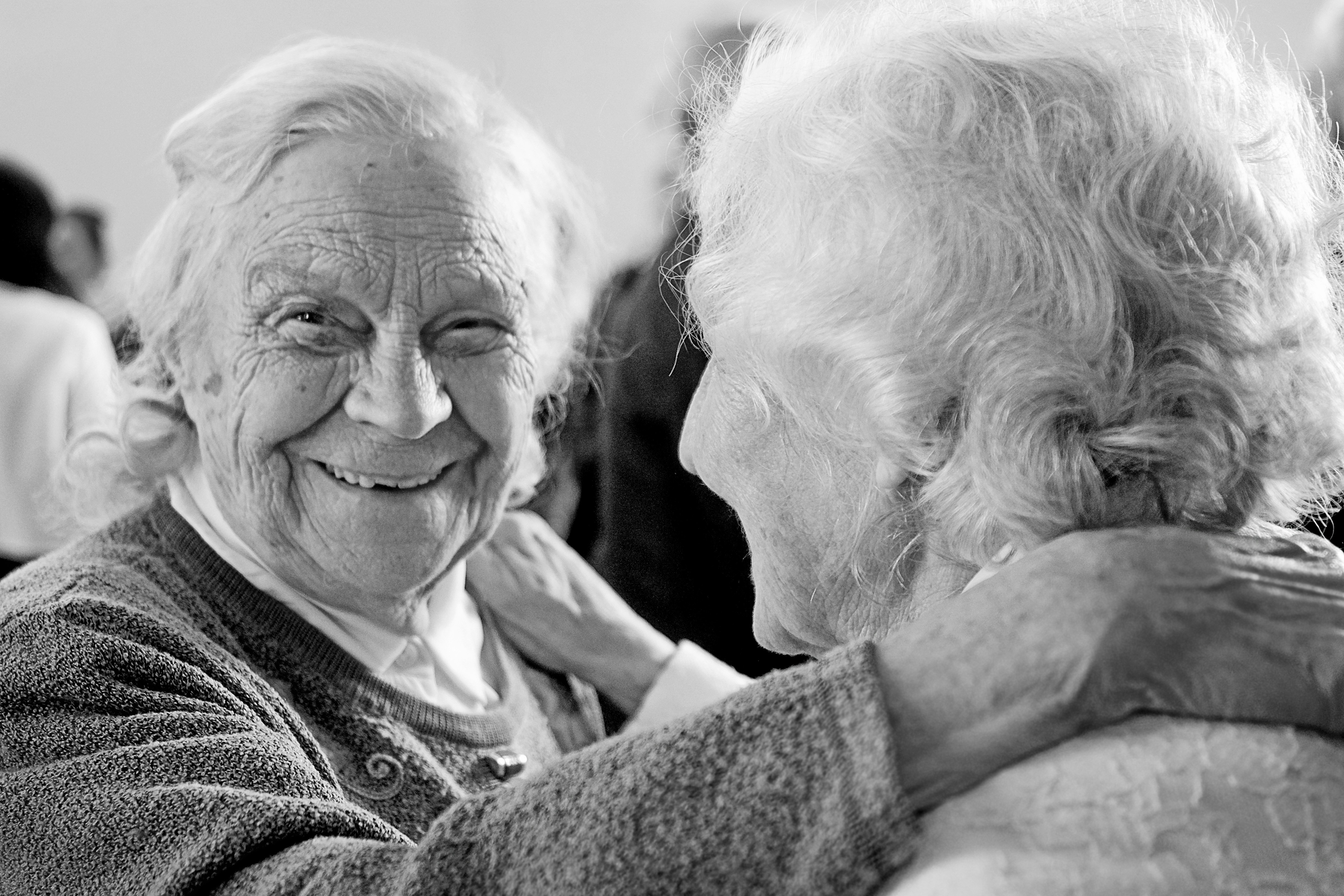
Most families wait too long. Here are the 5 signs that your loved one needs assisted living and why recognizing them early changes everything.
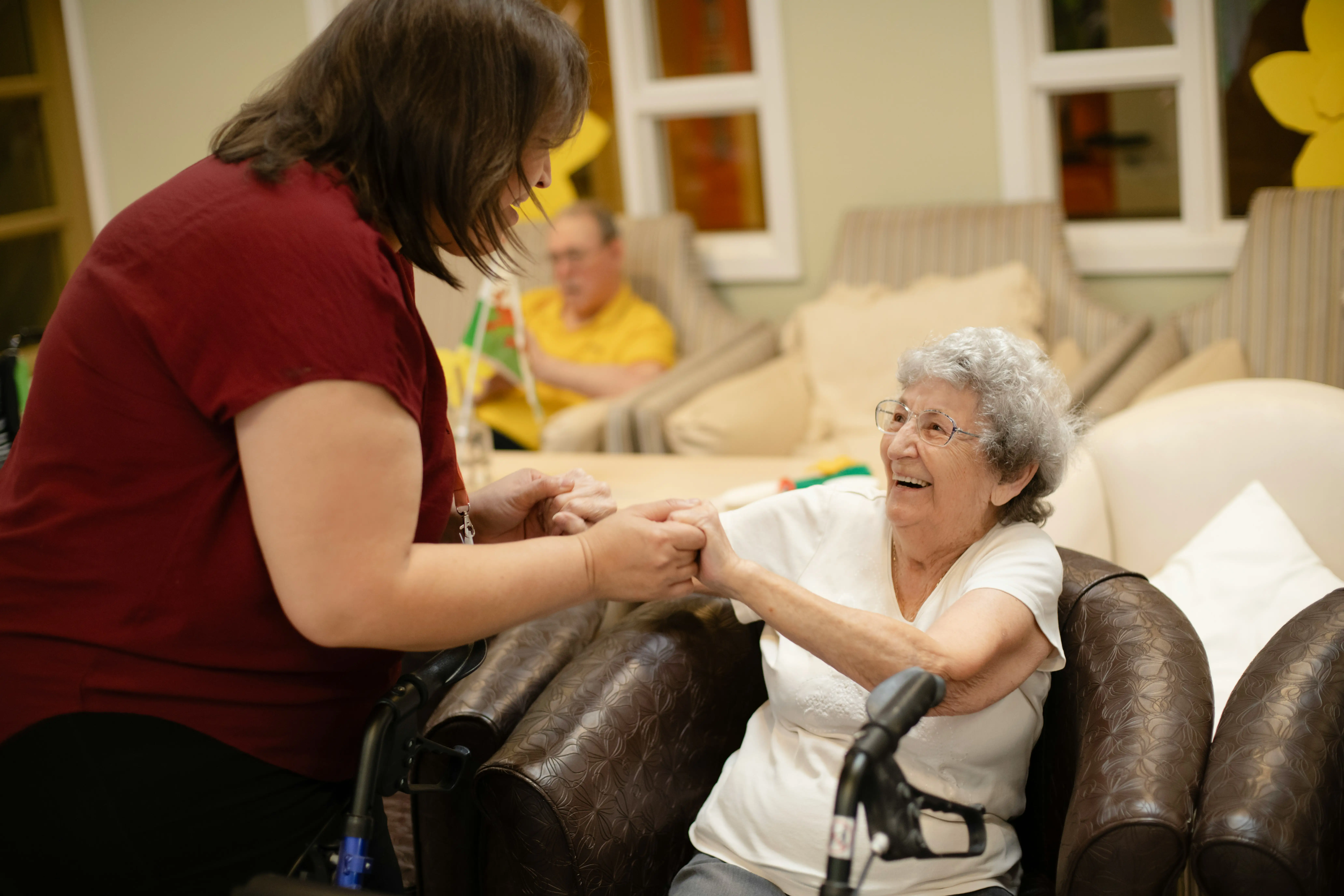

Contact us today to schedule a consultation or to learn more about our services.
Our team is committed to providing the highest level of care and support for your loved ones.